
ADHD ORGANIZING TIPS | Back to School | Family Organizing
How to Help a Child With ADHD Get Organized (at Home and School)
17 Suggestions for parents to help a child with ADHD get organized.
When I think back to my grade school years as a kid with ADHD, it was indeed a struggle. For starters, I did not even know that I had ADHD. I didn’t find THAT out until I was well into my thirties.
It would have been helpful if someone could have enlightened me that my brain was wired differently and that having ADHD made listening difficult for me. If I had known this, I might not have had an inferiority complex for so many years.
Thankfully, today we have much more knowledge about ADHD and its effects on learning and listening. Parents and teachers are better equipped to be much more supportive and understanding of students and kids with ADHD today.
How to help your child with ADHD stay organized, motivated, and productive:
1. Recognize every success and achievement out loud.
Because a child with ADHD learns differently and struggles with things that non-ADHD children do not, their self-image is especially fragile. Your child needs to be clearly informed that just because they have ADHD does not mean that they are not smart or can’t learn.
Every academic and social achievement will be directly affected by how your child sees himself or herself. So, it is important to place fostering their self-image high on your list of priorities.
2. Share with your child that there are many positives to having ADHD.
Because most of the population does not have an ADHD brain, the more negative characteristics of ADHD tend to get honed in on. There are positive attributes of having ADHD as well, but they are often overlooked. Reminding your child of these positives from time to time will offer much-needed encouragement. Those with ADHD often are very creative, intellectual, and able to think outside the box. They also have excellent problem-solving skills. Those with ADHD also have an enormous amount of energy to get things done. They can even hone in on a project to become super productive.
3. Set up a 10-minute family huddle to plan what needs to be done each day.
This can be done at breakfast, at a specific time, or the night before. Whatever time works best for your schedule. Create a written list of Must Dos and decide whose job it is to do it and when it is going to get done. The family huddle can serve as a helpful tool to keep your child and yourself grounded and solidify the tasks that need to get done each day.
4. Focus on these four things to help your child focus better: Sleep, exercise, routines, and structure.
Helping your child with ADHD thrive is all about focusing on four key things that can make a huge difference in their daily life. According to Brandon Slade from Untapped Learning, the magic ingredients are sleep, movement, routines, and structure.
Think of it like this: when kids with ADHD get enough rest, squeeze in some exercise before tackling homework, and have a predictable daily game plan, they’re way more likely to feel calm and focused.
5. Use visual reminders to help your child stay organized.
Those with ADHD respond well to visual cues. Often, what is out of sight is suddenly out of mind. In other words, they have to see it to remember to do it. When children are working independently, it helps to leave visual reminders so that they can remember what to do. The more visual cues you and your child can make physical, the less they will forget. Visual cues, such as sticky notes or other signs, can also be used to get things done at home.
6. Kids with ADHD can benefit from being paired with a non-ADHD partner.
Additudemag.com suggests pairing an ADHD student with classmates or a classroom aide to remind them of homework and classwork instructions. This can make a big difference in helping ADHD students understand what needs to be done so they can stay on task.
7. Teach your child this listening trick.
I have found that when I need to listen to something important, it is helpful to repeat what is being said inside my own head. This is sort of like playing a silent game of ‘Copycat’ with myself, and it works. When important instructions are given by a teacher, your child can learn to repeat every word that the teacher says, silently in their head. This repetition acts as a memory aid, and also keeps thoughts from wandering at inopportune moments.
8. Help your child clearly understand instructions at home and school.
A school planner can help students with ADHD write down important information like deadlines, directions, and homework assignment details. At home, having a family calendar and chore chart posted on a wall can help your child stay on top of completing tasks. Be sure appointments, chores, and other information are clearly printed and easy to understand.
9. Communication is Key.
Be sure that you talk with your child at the end of each night to ensure that they have completed their homework. Check if everything that needs to be turned in the next day is already in your child’s backpack and ready to go.
Verywellmind.com recommends communicating often with your child’s teacher to set up a system for getting assignments down in a notebook at the end of each school day. Teachers can also ask their students with ADHD to repeat assignment instructions out loud to them before leaving the classroom.
10. Organize your child’s bedroom and other areas of the home in a way that supports your child’s ADHD.
Those with ADHD are overwhelmed easily by a cluttered environment and excess stuff. Susan Pinsky, Author of Organizing Solutions for People with ADHD, suggests that for those with ADHD, more clutter means more chaos. So, the less stuff you have in your child’s bedroom and study area, the easier it will be for them to keep it all organized. Stick to the necessities they need to be productive and minimize the rest.

11. Set up a quiet place for your child to work on assignments at home.
Since those with ADHD are easily distracted, designate a quiet location in your home for doing homework. Provide your child with all of the supplies they need to complete assignments, such as extra pencils, a ruler, a water bottle, a calculator, etc. But keep other unnecessary items to a minimum. Allow your child to use noise-reducing earphones if they are especially sensitive to outside distractions.
12. Keep organizing systems simple.
Have designated homes for everything your child needs at home to stay organized. Those with ADHD have less patience than others, so they will be more likely to maintain a space if everything is super easy to access and put away. Make your home ADHD-friendly by storing things simply and efficiently. For example: use lots of clearly labeled containers to keep like items together, but leave the tops off of everything, with the exception of rarely used items.
Avoid micro-organizing things like underwear and socks. Instead, toss all socks together in a small drawer or bin. If it takes too much effort to put away, it may not get done.
13. Establish a launching pad.
By putting things where they have to trip over them to get out the door, they are much less likely to leave home without them. Designate a spot right next to the exit door to be their launching pad. Teach your child to get into the routine of placing everything needed for the next day there. As they walk out the door each morning, they will see it, grab it, and go. This helps eliminate morning chaos because there is no last-minute scrambling for things. There is also less thought needed as they walk out the door.
14. Protect your child’s schedule by saying no to too many activities.
These days, the tendency to overfill our schedules with too many outside-of-school activities is common. Those with ADHD tend to get overwhelmed and/or frustrated more easily than those without ADHD. Be selective about how many activities your child commits to outside of school. Leave extra time in their daily schedule to get things done, and be sure to include some downtime.
15. Create an End-of-the-Day Reminder System That Works For Your Child.
If your ADHD child tends to forget to bring the things that he needs home from school each day, try taping a note to the inside cover of your child’s binder with any important questions that need to be asked before your child leaves school. Examples: Do you have your homework assignments? Do you have all your books? Do you have any questions about your homework to ask the teacher before you leave?
This will provide a visual reminder to your child and make the process of collecting important information from their teacher easier.
16. Routines are extra helpful when it comes to helping a child with ADHD stay organized.
Families all function better with organizing systems and routines in place. But routines are especially important for those with ADHD. Forming habits that take place daily or weekly, like having set times for homework and chores, can help your child stay productive. Once practiced, routines turn into helpful habits. They become automatic, and as a result, help us remember what needs to be done. Routines not only help keep kids organized, but they also reduce stress and enable them to feel more in control.
17. Assign a home to everything.
A place for everything and everything in its place. As an especially forgetful person with ADHD, this one rule has had the greatest impact on helping me stay organized both as a child and today. Those with ADHD tend to lose things more easily.
To avoid this, everything they own must have a permanent home. Help your child decide where all of the things they own and use will live. This includes everything from their homework supplies and sports equipment to their earbuds. It is also important to help your child develop the habit of returning items to their assigned homes when they are done using them.
Conclusion:
Parenting a child with ADHD comes with its own unique set of challenges, but a little structure and a lot of empathy go a long way.
You don’t have to implement all of these tips overnight. Start by choosing just one or two—and build from there. By focusing on their strengths and keeping your systems simple, you are giving your child the lifelong tools they need to feel confident, capable, and in control.
If you would like more tips on helping your ADHD child thrive academically, I have written another post that you will find helpful: 18 School Organizing Routines for the ADHD Family. Remember, progress takes time, but every small step you take makes a beautiful difference!”


About Laura
I am a Southern California turned small town, Midwest Mom. I am wife to Bruce and mom to my three girls.
Back when I first started my organizing journey in 2013, I had what I thought of as a dirty little secret. I have ADHD and although I am organized, and enjoy the process of sorting, and tidying. I knew that there were many others with ADHD who really struggled with staying organized. I had a case of imposter syndrome and mostly kept the fact that I had ADHD to myself. That is until I learned that there are other successful professional organizers who have also learned to compensate for their ADHD.
I eventually realized that my need for order and simplicity actually stems from having ADHD as a way to compensate for my short attention span. So my gifts and my challenges are all ironically tied together to create who I am, and I am able to relate to and help others as a result of this coping method that I have developed for myself.
I help women and moms with ADHD, but I also help those who struggle with clutter without having ADHD. Because simplicity and less clutter are always at the heart of staying organized, there is much overlap when it comes to finding solutions to clutter and disorganization.
I am dedicated to keeping my life as simple as possible and to helping others do the same by teaching them how to declutter their homes, simplify their lives, and manage their busy families better.
I have been helping others stay organized since 2013.
It is my deepest hope that you will find resources here that will bring you closer to living a simpler, more intentional, and more peaceful life.
Overwhelmed With Clutter? Get My Free Decluttering Kick-Start Kit and Start Making Progress Today!

Want Room-By-Room Guidance with Decluttering and Organizing Your Home?
If the state of your home is making your home life chaotic…if you are tired of being exhausted and overwhelmed. You need to know that it does not need to be this way. There is an easier path. Find out how decluttering your home, room by room can free you from forever feeling like you’re one step behind.
Click below to learn more about how you can get support from me just as if I were working there with you in your home.

you may also like

How to Declutter Your Wardrobe (And Skip the Seasonal Switch!)
By decluttering consistently, you will save yourself an enormous amount of time and energy by not having to rummage through seasonal clothing and move it in and out of your bedroom every time a new season rolls around.
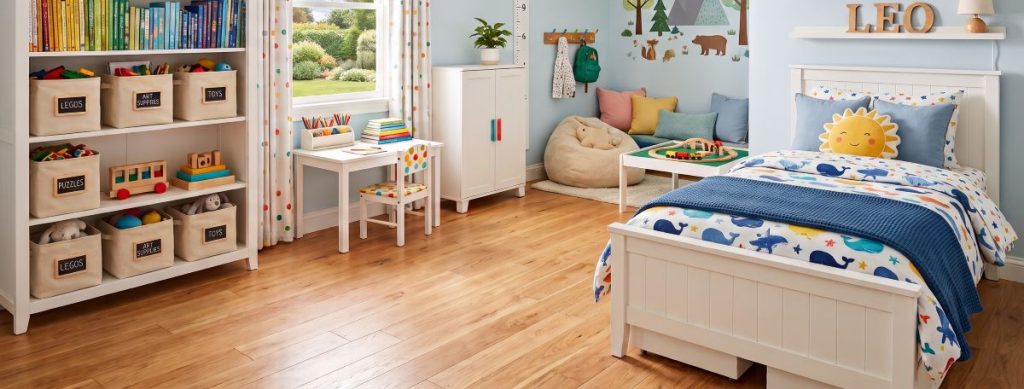
How to Organize and Declutter a Child’s Bedroom Without the Meltdowns
If you feel like decluttering your child’s bedroom is an uphill battle, here are some suggestions to help you make progress and get the job done.

Overwhelmed by a Messy House? 16 Cleaning Motivation Tips
This post may contain affiliate links. I may receive a commission, at no cost to you, when you choose to use the links provided. See my privacy policy for more information. Cleaning Motivation Tips to Help You Get a Handle on Your Home If you’d rather have a...
Thanks Laura x