
ADHD Mindfulness | ADHD ORGANIZING TIPS
10 Great Takeaways I got from reading “ADHD for Smart Ass Women”
This post may contain affiliate links. I may receive a commission, at no cost to you, when you choose to use the links provided. See my privacy policy for more information.
10 Great Takeaways I got from reading “ADHD for Smart Ass Women”
Author, ADHD Coach, and popular podcast host Tracy Otsuka sparked my attention when I stumbled upon her podcast, “ADHD For Smart Ass Women”, a few years back. Rather than focusing on limitations, Tracy helps women harness the superpowers that come with having ADHD.
She’s encouraging, enlightening, and supportive, and possesses a wealth of knowledge on ADHD in adult women. She often proclaims that “women with ADHD are not successful despite their ADHD but because of it.”
I love this.
I recently read Tracy’s book, ADHD for Smart Ass Women. Tracy does a beautiful job of teaching women how to “truly live their best ADHD lives.”
While recognizing that having ADHD does come with its challenges, she doesn’t dwell on that. Instead, she helps women harness their potential. I highly recommend her book for any woman wanting to learn more about understanding and taking control of their ADHD.
In this post, I share my favorite nuggets of knowledge that I took away from the book. This list is only a brief summary, so I highly recommend reading her book for yourself. These are simply the insights that resonated most with me personally.
Interesting facts about women with ADHD:
1. “Many adult women with ADHD do not know that they have it.” It is a myth that ADHD is overdiagnosed. It is actually underdiagnosed in women, and many only discover it after they have a who child is diagnosed with it.
2. “ADHD is not technically an attention deficit disorder. “ Those with ADHD actually have a strong ability to focus well on the things that they are interested in. But ADHD brains often get bored more easily than neurotypical brains and therefore have trouble staying focused on tasks they find uninteresting.
3. “Having ADHD has nothing to do with intelligence.” Many individuals with ADHD are not only very intelligent, but they are also intensely curious, persistent, and lifelong learners.
4. “Not getting diagnosed as a child can result in confusion, shame, and low self-worth.” Girls are more likely to go through school without being diagnosed because their signs and symptoms are often less obvious than they are for boys. I know this was definitely my experience since I wasn’t diagnosed until I was in my late 40s.
5. “Many women with ADHD struggle with imposter syndrome.” This is because we’ve spent most of our lives trying to fit in with neurotypical thinkers. I always just thought that I had to work harder than everybody else just to keep up, which gave me an inferiority complex that took me years to overcome.
6. “You don’t outgrow your ADHD; you simply learn to adapt the symptoms so that they become less obvious.” As we mature, we learn more about ourselves and how our ADHD manifests. We learn to compensate and, as a result, gain more control over our ADHD. I have accepted, understand, and manage my own ADHD much better today than when I was a child.
7. “Women are more likely than men to have accompanying conditions that exist along with their ADHD, such as dyslexia, autism, or dysgraphia.” They call this co-morbidity, but isn’t that a terrible term? I think we need a new word for this…I’m just saying. I can also relate to this, as I also have dysgraphia, another undiagnosed issue that led me to grow up thinking I just couldn’t write as well as others.
8. “ADHD affects executive functions differently in everyone, while some may struggle with working memory, others may struggle more with time management or emotional regulation. “So how ADHD affects you may be very different from how it affects me, and there is no one-size-fits-all treatment for ADHD.
9. “Women with ADHD tend to overthink, doubt themselves, and get caught in negative thinking loops, ruminating over the past.” The brains of those with ADHD get stuck in this mode and have a harder time switching off this thinking than neurotypical individuals do. This one is a big one for me as well. I love to dwell on what I could or should have done differently.

My 10 Favorite Takaway Tips from ADHD For Smart Ass Women:
1. Learning about our ADHD and its symptoms and figuring out how we can turn them into strengths can be a real game-changer. So Tracy recommends reading, researching, and learning as much as you can about the condition.
2. While it is true that ADHD does come with its challenges to overcome, Tracy’s view is that we have a choice as to whether or not we want to leverage our ADHD by focusing on our strengths or allow our ADHD to hold us back by focusing on our flaws.
3. “When it comes to keeping up with household chores, within a relationship, domestic duties often default to women.” Tracy explains that this is problematic for all women, but especially for women with ADHD, because it can cause resentment and overwhelm.
For this reason, it’s important to take the time to negotiate domestic duties with your partner so that they are fair and balanced.
4. Tracy recommends finding ways to make boring tasks more interesting by pairing them with something that you like to do. This increases the likelihood that you will get the job done rather than procrastinate.
As a personal example, I chat on the phone to my best friend Sherri every week, and while I am doing so, I clean my bathrooms or do other cleaning tasks. Sherri does the same thing, so we support one another. We get so much done without even trying! You could also call your mom or listen to a favorite podcast, perhaps…Tracy’s ADHD for Smart ASS Women podcast?
5. “Sometimes procrastination happens because a job seems too complicated, painful, or overwhelming to start.” If this is the case for you, break the task down into small, simple steps, creating micro steps.
You can also create short intervals of productivity to get a big job done that you’ve been dreading. Working for 15-20 minutes on a dreaded project is less intimidating than trying to take on the whole job all at once.
6. Another great productivity hack that Tracy recommends is to attach your identity to getting something done. Becoming the “kind of person” who gets to work on time is more effective and powerful than doing something merely out of obligation.
7. Tracy emphasizes that due to our tendency to have impostor syndrome and to discount our own achievements, it is critical to recognize and celebrate every success, no matter how big or small. Intentionally pat yourself on the back and take a few moments to bask in the positive emotion each time you accomplish a task.
8. “Doing a brain dump right before bed helps you sleep by helping you get those ruminating thoughts out of your head.” Tracy suggests that this not only quiets your mind but also helps you feel more prepared for the next day. She also recommends keeping a journal by your bed so that you can remember to do this.
9. “Studies show that exercise can be an excellent natural treatment for ADHD symptoms. In fact, one 20-minute session can boost attention span, help lower impulsivity, and help regulate emotion.” Tracy states that research shows that physical activity can even balance brain chemicals.
10. Though exercise at any time of the day can be extremely beneficial, Tracy suggests that doing it in the morning will have the biggest impact. This is because it can improve the rest of your day. 20 minutes of Morning exercise can improve focus and productivity, and reduce anxiety.
Conclusion:
Reading Tracy’s ADHD for Smart Ass Women is like finding a powerful user manual you never knew you were missing. Her work reframes the narrative around ADHD in women from one of deficit and struggle to one of inherent strengths and potential.
The deep dive into the often-misunderstood reality of ADHD is incredibly validating, especially for those of us who weren’t diagnosed until later in life. Tracy gives us the tools to quiet the inner critic, manage the dreaded negative thinking loops, and truly “live our best ADHD lives.”
If you are a woman with ADHD who is tired of focusing on flaws and ready to harness your natural “superpowers,” this book is an essential read.

Want Room-By-Room Guidance Decluttering and Organizing Your Home?
If the state of your home is making your home life chaotic…if you are tired of being exhausted and overwhelmed. You need to know that it does not need to be this way. There is an easier path. Find out how decluttering your home, room by room can free you from forever feeling like you’re one step behind.
Click below to learn more about how you can get support from me just as if I were working there with you in your home.


About Laura
I am a Southern California turned small town, Midwest Mom. I am wife to Bruce and mom to my three girls.
Back when I first started my organizing journey in 2013, I had what I thought of as a dirty little secret. I have ADHD and although I am organized, and enjoy the process of sorting, and tidying. I knew that there were many others with ADHD who really struggled with staying organized. I had a case of imposter syndrome and mostly kept the fact that I had ADHD to myself. That is until I learned that there are other successful professional organizers who have also learned to compensate for their ADHD.
I eventually realized that my need for order and simplicity actually stems from having ADHD as a way to compensate for my short attention span. So my gifts and my challenges are all ironically tied together to create who I am, and I am able to relate to and help others as a result of this coping method that I have developed for myself.
I help women and moms with ADHD, but I also help those who struggle with clutter without having ADHD. Because simplicity and less clutter are always at the heart of staying organized, there is much overlap when it comes to finding solutions to clutter and disorganization.
I am dedicated to keeping my life as simple as possible and to helping others do the same by teaching them how to declutter their homes, simplify their lives, and manage their busy families better.
I have been helping others stay organized since 2013.
It is my deepest hope that you will find resources here that will bring you closer to living a simpler, more intentional, and more peaceful life.
always have
something
beautiful
in your space…
…but let it be
as simple
as a daisy
in a vase.
Still Feeling Stuck?
Schedule a coaching call, virtual organizing session, or home assessment with me and get the insight, education, and inspiration you need to move forward


Create the organized and supportive home you have always wanted

A meal planning system that will pay for itself in:
Reduced grocery bills, saved mental energy, less food waste, fewer trips to the grocery store, more family time, better nutrition, and a more organized pantry.
Do you dread having to come up with meals to make for dinner night after night?
Introducing the 4-Week Rotational Meal Planning System

Find out how to streamline and simplify getting supper on the table for your family with a rotational meal plan that is ADHD-Friendly.
you may also like
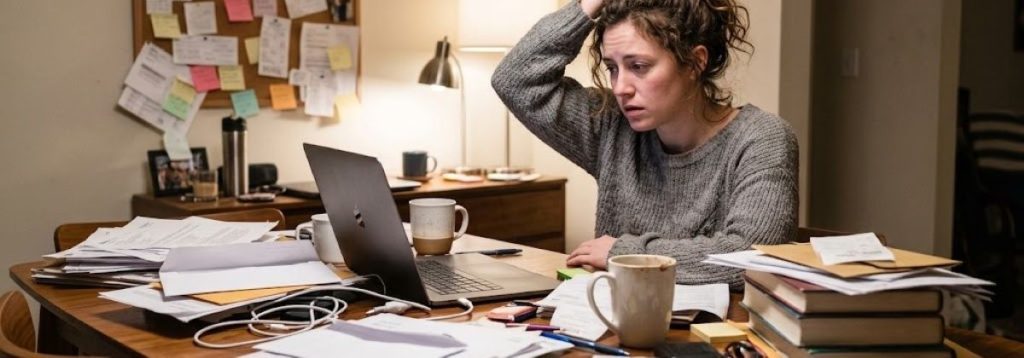
7 Executive Functioning Skills Affected by ADHD (& How to Overcome Them)
The 7 Executive functions are cognitive processes that help us plan, organize, initiate tasks, manage time, stay focused, regulate emotions, and more.
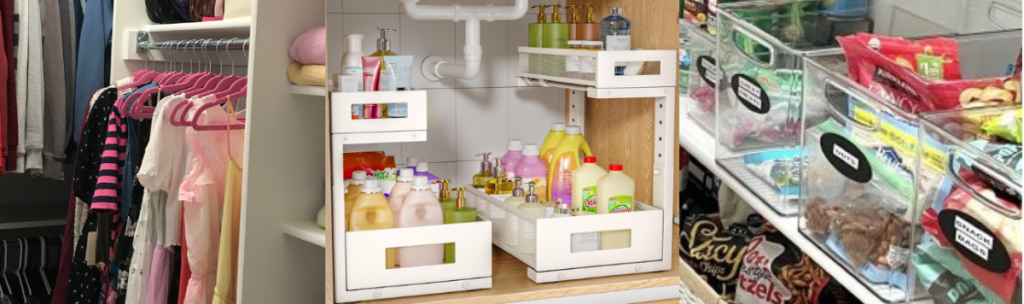
Best Organization Tools: My Favorite Products & Some to Avoid
Having organized the homes of hundreds of clients over the years, I know which home organizing products truly work and which ones to avoid. This post highlights the most functional products I consistently use and trust.

How to Declutter Your Wardrobe (And Skip the Seasonal Switch!)
By decluttering consistently, you will save yourself an enormous amount of time and energy by not having to rummage through seasonal clothing and move it in and out of your bedroom every time a new season rolls around.
0 Comments