
Living Simply | Mindfulness
18 Ways to Build Sustainable Living Habits & Consume Less
This post may contain affiliate links. I may receive a commission, at no cost to you, when you choose to use the links provided. See my privacy policy for more information.
18 SUSTAINABLE LIVING HABITS YOU CAN START PRACTICING AT HOME:
A few years ago, my oldest daughter and I took a mission trip to Haiti. While we were there, we learned that the people of Haiti often use what scarce material goods they possess until those items are falling apart. Most of us here in the US get rid of our presumably worn-out sneakers at a point where many people living in places like Haiti would just be breaking them in.
This experience changed my thinking about our own family’s consumption rate of material goods. With respect for the people in this world who lack the most basic resources needed just to survive, we now try to use our material goods more mindfully.
Consequently, it is this same mindfulness that significantly affects our overall impact on the environment. Use this list of eco-friendly living habits to help you develop new habits at home, and live lighter on the grid. As a bonus, by living this way, you’ll be simplifying your life and preventing clutter from invading your home.

1. SAY NO TO PSYCHOLOGICALLY CHARGED ADS.
Today, our lives are infiltrated by ads. They are everywhere: our devices are bombarded by advertising that’s been specifically designed to appeal to your unique shopping habits and desires.
Don’t let stores and advertisements coax you into making unnecessary purchases. Only you know what you truly need. Watch for FOMO ads that purposely make you feel like you’re going to miss out on the last good deal. The more awareness that you have when you encounter these deceptive ads, whether you are in a store, on a device, or seeing a billboard along the road, the less likely you are to be manipulated into buying.
2. USE LESS PAPER
Reduce junk mail by calling 1-888-567-8688 or visiting www.optoutprescreen.co to remove your name from mailing lists. Go paperless with things like monthly bills and statements.
3. SHOP MORE SELECTIVELY.
Do you shop more than what is needed or bring home things that you don’t end up using? Start thinking more carefully about your shopping habits; use this list of “Questions To Ask Yourself Before You Buy” to help you make better decisions about what you put in your shopping cart. This will also help you steer clear of accumulating excess clutter and wasting money on things you don’t end up using.
4. RESIST OVERBUYING AND OVERCONSUMING.
While recycling is inarguably a good thing, reducing, – in other words, shopping and consuming less is always better than recycling. We will be doing the greatest good by living lighter in our homes and on the planet. Changing our consumption habits is one of the most effective ways to practice eco-friendly living.
5. REDUCE FOOD WASTE.
Use caution when buying perishables in bulk, because you risk food expiring before it gets used. Resist the urge to go overboard on stocking up your pantry. You will forget what you have if you have so much that you need to store your food in multiple locations in your home. According to https://www.rts.com/resources/guides/food-waste-america/, the US discards more food than any other country in the world: nearly 40 million tons – 80 billion pounds – every year.
If you shop at bulk food stores like Sam’s and Costco, shop frugally and mindfully. Those stores are wizards at convincing shoppers to buy lots of oversized products that only end up expiring before they are consumed.
6. AVOID USING SINGLE-USE AND DISPOSABLE PRODUCTS.
Not only does it cost more to use these products, but you can reduce the amount of waste you produce with washable cutlery, cups, plates, etc. Purchase products that come with less packaging and limit your use of things like disposable cleaning products, disinfectant wipes, and paper towels. A regular coffee maker is more eco-friendly than a Keurig that requires the daily, single-serving use of disposable coffee pods. A reusable mop is better for the environment than a Swiffer mop that requires the use of disposable pads.
7. CHOOSE RESUSABLE FOOD STORAGE PRODUCTS.
Takeout food often comes with a lot of paper waste. Minimize how often you get takeout food or ask the restaurant to use your reusable containers. Opt for glass food storage containers over plastic ones. Glass is safer for the microwave, lasts much longer, and will not stain like plastic. Swap out more eco-friendly canvas bags for your groceries instead of using plastic or paper bags. Keep the canvas bags in your car to ensure that you will have them when you need them.

8. USE REUSABLE WATER BOTTLES AND COFFEE CUPS.
According to theworldcounts.com, an estimated 1,500 plastic bottles end up as waste in landfills or are thrown in the ocean every second. Also, most bottled water sold is made with the same tap water we drink from the faucet. If you dislike the taste of your tap water, use an inexpensive water filtering system to improve the taste and filter out contaminants. If you purchase coffee from a coffee shop, provide your own coffee cup.
9. BUY SECOND-HAND ITEMS AND GIVE TO CHARITIES.
By purchasing secondhand items, you’ll be supporting local charities in addition to saving items from ending up in the landfill. By reusing commodities instead of purchasing new products, we are practicing resourcefulness by not wasting our material goods. On the other hand, we support the mass production industry each time we acquire something new.
Conscientiously discard the things you no longer use by donating or selling your used goods. “One man’s trash is another man’s treasure,” so place these things into the hands of someone else who can utilize and appreciate them.
10. CHANGE YOUR ACQUIRING MINDSET
Do you feel tightly bound to the material possessions in your life? If so, you may be able to gain a more balanced perspective by watching the Netflix documentary, The Minimalists, created by Joshua Fields Millburn & Ryan Nicodemus. This film is NOT just for those wanting to become a Minimalist. It is for anyone wanting to learn to live free from the constraints of material wants.
Read “Make Space For Happiness” by Tracy McCubbin; this is a great book for anyone wanting to change the relationship they have with their stuff. She teaches others how to stop attracting clutter. Tracy owns a successful professional organizing business located in Los Angeles.
11. USE NATURAL ECO-FRIENDLY CLEANING PRODUCTS.
Many commercial cleaning products are full of harsh chemicals and come packaged in thick plastic bottles. Simplify your cleaning routine by swapping them out for basic household staples like white vinegar, baking soda, Hydrogine Peroxide and mild dish soap. These natural alternatives are safe, inexpensive, and just as effective at keeping your home sparkling clean without the plastic waste.
Natural cleaning solutions like vinegar and baking soda can be very effective cleaning agents. They are an excellent alternative to the harsher, more toxic cleaning products that you purchase. They are less expensive, and there are no toxic fumes to inhale. Vinegar, slightly diluted with water, works miracles on most surfaces. This list includes: windows, sinks, countertops, microwaves, showers, faucets, and more. Baking soda is great for cleaning toilets, ovens, and showers.
12. REPAIR AND MEND BEFORE REPLACING.
Thinking back to the people of Haiti, I am reminded of how quick we often are to toss something the moment it shows wear. Before throwing away a torn shirt or replacing a malfunctioning item, see if it can be fixed. Sew up that loose seam, take your worn-out boots to a local cobbler, or watch a quick online tutorial to fix a broken appliance. Extending the life of what you already own is the ultimate form of conscientious consumerism.
13. CONSERVE ENERGY AT HOME.
Making small adjustments to how you use electricity can have a big impact. Swap out old lightbulbs for energy-efficient LEDs, and get into the habit of unplugging small appliances and electronics when they aren’t in use to avoid phantom energy drain. Even adjusting your thermostat just a few degrees down in the winter and up in the summer can significantly reduce your home’s carbon footprint.
14. BE MINDFUL OF YOUR WATER USAGE.
Fresh water is a precious resource, and today, with climate change, water is in short supply in many locations, so look for simple ways to use less of it every day. Turn off the tap while washing your face or brushing your teeth, take slightly shorter showers, and wait until your dishwasher or washing machine is completely full before running a cycle. These small shifts save gallons of water over time.
15. CHANGE YOUR LAUNDRY HABITS.
Washing your clothes in cold water gets them just as clean while saving the immense amount of energy required to heat the water. Whenever possible, opt to air-dry or line-dry your garments on a drying rack instead of running the dryer. As an added bonus, skipping the hot water and the harsh heat of the dryer will help your clothes last much longer!
16. START A SIMPLE COMPOST BIN.
Even if you are already working to reduce food waste, you will inevitably have unavoidable scraps like banana peels, coffee grounds, and eggshells. Instead of tossing them into the trash where they will sit in a landfill, try composting. It’s an easy, natural way to return nutrients to the earth and drastically reduce your family’s weekly garbage output.
17. INCORPORATE MORE PLANT-BASED MEALS.
You don’t have to become a strict vegetarian to make a difference. Meat production is incredibly resource-intensive, so simply choosing to eat fewer animal products can drastically reduce your environmental impact. Try implementing a “Meatless Monday” or dedicating just one or two dinners a week to delicious, plant-based recipes.
Choosing to purchase organic, locally grown food is another great way to practice eco-friendly living habits.
18. RECYCLE RIGHT AND RESPONSIBLY.
While reducing and reusing should always come first, recycling remains a vital safety net for the waste we can’t avoid. Recycling conserves natural resources, saves manufacturing energy, and keeps valuable materials out of landfills. Take a quick moment to check your local community’s recycling guidelines so you know exactly what can and cannot go in your bin—recycling correctly ensures those materials actually get a second life rather than contaminating the whole bin!
CONCLUSION:
Building sustainable living habits is really about a shift in mindset—learning to deeply appreciate the resources we have, using them to their fullest potential, and being intentional about what we bring into our homes.
By consuming more mindfully, refusing unnecessary waste, and making simple everyday swaps, we can live lighter on the earth while bringing more simplicity and peace to our own lives. You don’t have to do it all at once; pick just one or two habits from this list to focus on this week, and watch how quickly they become second nature.”


About Laura
I am a Southern California turned small town, Midwest Mom. I am wife to Bruce and mom to my three girls.
Back when I first started my organizing journey in 2013, I had what I thought of as a dirty little secret. I have ADHD and although I am organized, and enjoy the process of sorting, and tidying. I knew that there were many others with ADHD who really struggled with staying organized. I had a case of imposter syndrome and mostly kept the fact that I had ADHD to myself. That is until I learned that there are other successful professional organizers who have also learned to compensate for their ADHD.
I eventually realized that my need for order and simplicity actually stems from having ADHD as a way to compensate for my short attention span. So my gifts and my challenges are all ironically tied together to create who I am, and I am able to relate to and help others as a result of this coping method that I have developed for myself.
I help women and moms with ADHD, but I also help those who struggle with clutter without having ADHD. Because simplicity and less clutter are always at the heart of staying organized, there is much overlap when it comes to finding solutions to clutter and disorganization.
I am dedicated to keeping my life as simple as possible and to helping others do the same by teaching them how to declutter their homes, simplify their lives, and manage their busy families better.
I have been helping others stay organized since 2013.
It is my deepest hope that you will find resources here that will bring you closer to living a simpler, more intentional, and more peaceful life.
always have
something
beautiful
in your space…
…but let it be
as simple
as a daisy
in a vase.
you may also like

When You Clear the Clutter, You Clear Your Mind & Simplify Your Life
The clutter in our homes and our minds are often bound together, and one directly affects the other. Clear your space, and clear your mind to create a more peaceful environment for yourself.

How to Hygge at Home this Fall: With 25 Examples of Hygge
Once the chill of Fall begins to set in, it is the perfect time to wrap up in a cozy blanket, grab a good book, and sip a cup of hot cocoa.
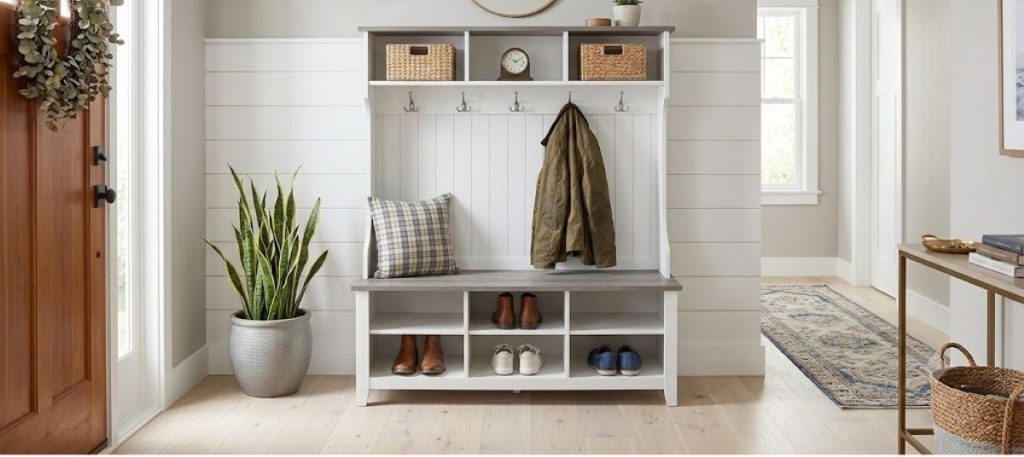
No Mudroom? Solutions For Creating Drop Zones in Small Spaces
I can 100% relate to the no-mudroom problem, because I, too, lived without one for all the years my 3 kids were young. Mud rooms are super helpful, no doubt, but do not despair; there are many creative solutions that you can do to improvise
0 Comments